Groundcover & Hedge Spacing Chart & Planner
Clear spacing rules for privacy hedges, green lawn alternatives, and hillside groundcovers. Easily calculate tray flat counts, zigzag hedge rows, and safe distances from fences.

Groundcover & Hedge Estimator
Nursery Tray Sizes & How Fast Plants Fill In
Nurseries sell groundcover plugs in plastic trays with different cell sizes. Smaller plugs save money for large yards, while larger plugs fill in faster:
Great for slopes, hillsides, and banks. Deeper roots resist summer dry spells and help anchor soil against heavy rain.
The most common nursery tray for garden beds and home yards. Offers a great balance between affordable bulk pricing and quick rooting.
Best for large lawn replacement projects over 1,000 square feet. Because these plugs are smaller, they need gentle daily watering for the first month so they settle in well.
Common Hedge & Groundcover Problems & Solutions
When hedges are trimmed straight up and down, the top branches overhang and cast shade on the bottom. Shaded lower branches lose their leaves and cannot grow new greenery from old bare wood.
4 Steps to Plant a Thriving, Uniform Hedge
Dig a Trench, Not Holes
Instead of digging separate round holes, dig one long trench 24 inches wide and 18 inches deep. This loosens the soil so roots can spread freely and join into a solid wall.
Set Up a Guide String
Drive stakes at each end of the row and stretch string tightly between them. Line up each root ball directly along the string to keep your hedge row perfectly straight.
Fill and Soak with Water
Fill the trench halfway with soil and soak it with a hose to settle out hidden air pockets. Finish filling the trench and build a low 3-inch soil ridge along the edge to hold in rainwater.
Water with a Soaker Hose
Lay a simple soaker hose along the shrubs under 3 inches of bark mulch. Run it for about 2 hours twice a week during the first growing season while young roots establish.
Quick Plant Spacing & Density Chart
Recommended spacing for vegetables, flowers, perennials, and hedge shrubs based on university agricultural research. Search by plant name or filter by type.
| Plant | Space Between Plants | Space Between Rows | Best Layout | Source | Plan It |
|---|---|---|---|---|---|
 Creeping Thyme Zigzag Groundcover Plugs | 12" (8–15") | 12" (8–15") | 12–18 in | University of Illinois Extension↗ |









Vegetable Plant Spacing
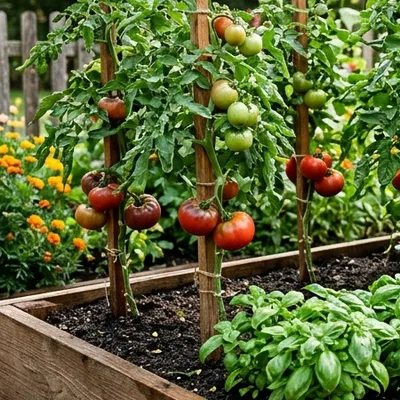
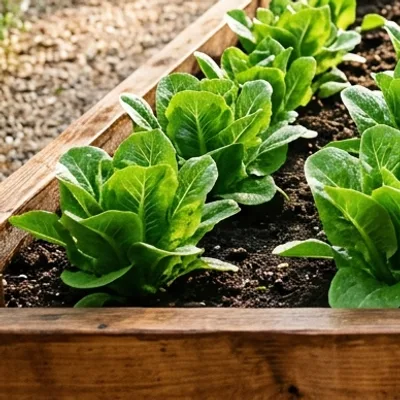
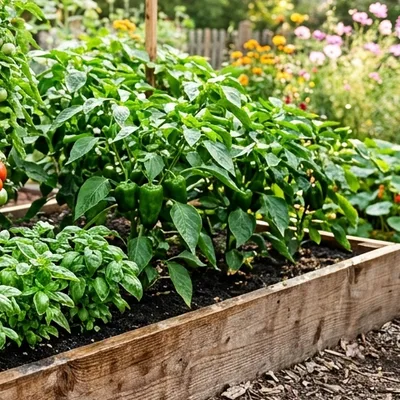
Bush tomatoes and compact vegetables can be planted closer together than large climbing varieties. Raised beds let you plant closer because you don't need wide walking paths between every row.
Herbs, Flowers, and Perennials
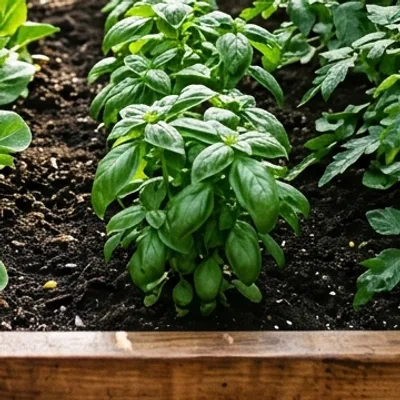
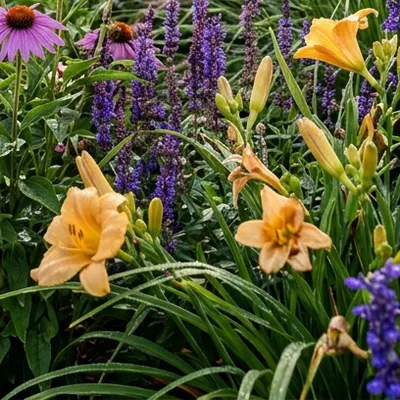
Space perennial flowers by their full-grown width so leaves gently touch once mature. This keeps weeds down while letting fresh air circulate.
Groundcovers and Low Shrubs
Groundcover starter plugs planted in a zigzag pattern fill in to form a dense green carpet faster than straight rows.
Hedges and Fruit Trees
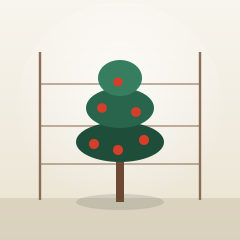
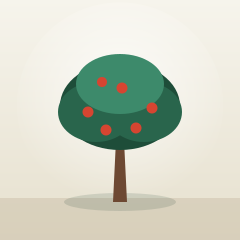
Hedge spacing depends on how fast you want a solid privacy screen. Fruit tree spacing depends mainly on the tree size (dwarf, semi-dwarf, or standard).
How to Calculate Slope Area & Nursery Flats
1. Hillside Slope Adjustment
Measure the flat width and length, then adjust for how steep the hillside is:
For example, a 30° hillside has 15.5% more surface area than flat ground, so you need about 15% more starter plants.
2. Whole Nursery Flats to Order
Pick your tray size (32, 50, or 72 plants per flat) and add 5% extra for spare plants:
Buying full flats saves money over buying single pots and ensures all your plants grow at an even rate.
Groundcover & Hedge Spacing FAQs
How do I calculate how many groundcover plugs are needed for lawn replacement?+
Measure your planting area in square feet and choose your plant spacing (usually 8 to 12 inches for lawn alternatives like creeping thyme, clover, or sedum). Using a zigzag pattern, multiply your square footage by 166 and divide by (spacing × spacing). For example, 500 square feet at 10-inch spacing needs about 830 plugs. Round up to full nursery trays (like 17 trays of 50 plugs) so you have a few spares.
Why should I use a zigzag pattern for groundcovers?+
Planting in a straight grid leaves large open gaps between rows that take twice as long to close. A zigzag (triangular) pattern spaces each plant evenly from all neighbors. This leaves about 15% less bare ground exposed to the sun, fills in weeks sooner, and naturally blocks weeds from sprouting.
How far from a property fence should I plant a privacy hedge?+
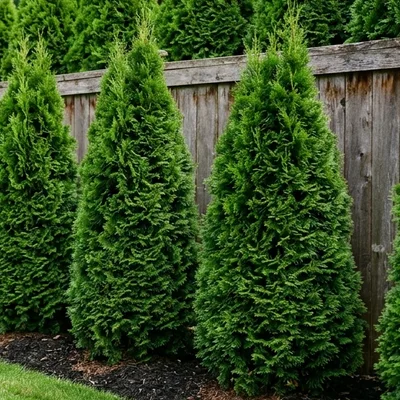
Plant your hedge far enough from the fence so it has room to grow without pressing against the wood. Leave at least half the shrub's full adult width, plus 6 to 12 inches for walkway and trimming room. For large trees like Green Giant (spreads 12 to 15 feet), plant 6 to 8 feet away from the fence. For slender Emerald Green arborvitae (spreads 3 to 4 feet), 2.5 to 3 feet is plenty.
What is the difference between single-row and double-row zigzag hedges?+
A single-row hedge places all shrubs in one straight line. A double-row zigzag hedge uses two side-by-side rows about 18 to 24 inches apart, alternating plants so each shrub fills the gap in the next row. A zigzag hedge fills in twice as fast to create a thick, dense privacy wall and sound barrier.
Explore Related Calculators
Raised Bed Spacing
Bed presets (4×8, 4×4, 2×4) with safe edge room from wooden walls.
Zigzag & Triangular Spacing
Compare zigzag triangle rows vs. straight rows and see which fits more.
Square Foot Gardening
Easy 1×1 ft grid planner for 1, 4, 9, and 16 plants per square.
Plant Row Spacing
Set plant-to-plant space and row distance with walking path room.
Circular Bed Spacing
Round garden beds with neat rings around a centerpiece plant.
Orchard & Tree Spacing
Dwarf, semi-dwarf, and standard fruit trees with wide mower paths.